YOUR COLLECTION. YOUR LEGACY.
IN DEVELOPMENT
MORE THAN INVENTORY. IT'S YOUR COLLECTION.
Every collector knows the feeling.
You pull a card you've been chasing for months. You finally track down that missing parallel. You find something incredible tucked away in a bargain box.
And just like that, another card becomes part of your collection.
But over time, something happens.
A few cards become hundreds. Hundreds become thousands. Some get graded. Some get sold. Others disappear into boxes you haven't opened in years.
And suddenly, a collection you've spent years building becomes something you can barely keep track of.
Sound familiar?
We think that's a problem worth solving.
Introducing Vault. BreakpointX's connected collection experience.
We're building Vault to give collectors a place to organize, understand, and manage the cards they actually own.
Not just a list of player names and pictures.
A collection built around the individual cards in your possession.
Each copy can have its own condition, history, purchase information, and story.
Those differences deserve to be remembered.
Our vision is to connect the entire collecting experience.
Identify a card. Add it to your collection. Record the details that matter. Explore relevant market activity. Keep track of what you own, what you've sold, and how your collection changes over time.
Sports and TCG, together in one place.
And as BreakpointX grows, we want the information you've already collected to become more useful—not something you have to rebuild every time you need a different tool.
Because a collection should be more than a digital checklist.
It should be something you can actually explore, understand, and manage with confidence.
Whether you're collecting your favorite player, building an entire set, chasing rare parallels, or preparing cards for sale, Vault is being designed to help you stay connected to what matters.
You put the time, money, and passion into building your collection.
We're building the technology to help you make the most of it.




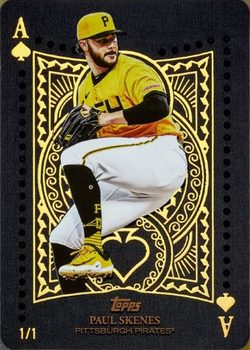

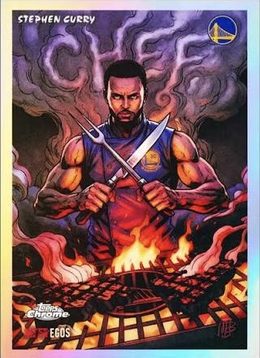
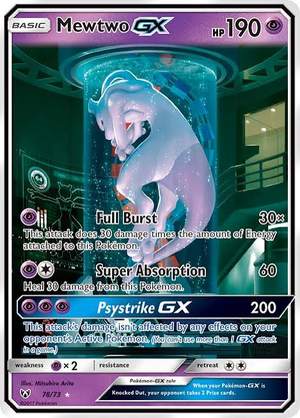




BPX VAULT — EVERY CARD COUNTS.
SAME CARD. DIFFERENT STORY.
You have two copies of the same card.
Same player. Same year. Same product. Same parallel.
On a checklist, they're identical.
But in your collection? They're anything but.
Maybe you pulled one yourself and bought the other at a card show. One has perfect-looking corners. The other has a little wear. One might eventually be sold, while the other stays in your personal collection.
So why should your collection software treat them like they're the same thing?
That's where Vault is being built differently.
We're designing Vault around the actual physical cards collectors own—not just the card names they add to a database.
Each copy can have its own identity within your collection, its own condition observations, purchase details, ownership history, and selling information.
Because the difference between knowing you own three copies of a card and understanding the three copies you actually own is enormous.
And as your collection grows, that information becomes even more important.
On a checklist, they're duplicates. In your hands, they're two different stories.
One you pulled. One you chased. Each with its own history, its own details, and its own place in your collection.
Vault is being built to make sure none of that gets lost.
Because every card counts. Especially the ones that are yours.
BPX VAULT — KNOW WHAT YOU OWN.
YOU KNOW YOU HAVE IT. GOOD LUCK FINDING IT.
It starts with a few cards.
Then a binder. A box. Another box. Maybe a shelf full of slabs you swore you were going to organize last weekend.
Before you know it, you've built something pretty incredible.
Now try finding that one card you know you own.
Sound familiar?
Maybe you're trying to figure out which parallels you're missing. Maybe you're looking for a particular player, checking how many copies you own, or wondering whether you already bought that card at the last show.
Suddenly, you're digging through boxes, scrolling through spreadsheets, and questioning your own memory.
You spent years building your collection. Why does keeping track of it feel like another full-time hobby?
That's one of the frustrations we're setting out to eliminate with BPX Vault.
We're building a connected collection experience where Sports and TCG collectors can organize, search, filter, and explore the cards they own—all in one place.
Your favorite players. Your rare parallels. Your graded cards. Your duplicates. The individual copies you've collected and the details that make each one different.
Whether you've collected fifty cards or five thousand, we want Vault to give you a clearer picture of what you've built, without forcing you to piece everything together from memory.
Because your collection isn't just getting bigger.
It's getting more valuable to you, more personal, and more difficult to manage without the right tools.
And here's the thing.
Chasing cards is part of the hobby. Chasing down cards you already own shouldn't be.
That's the difference we're building Vault to make.
BPX VAULT — CONDITION CHECK
SAME CARD. DIFFERENT CONDITION. BIG DIFFERENCE.
You finally get your hands on that card you've been chasing.
The photograph looked perfect. The seller said it was clean. Everything seemed great.
Then you get it under the light.
A little whitening on the corner. An edge that isn't quite as sharp as you thought. Maybe a surface mark you couldn't see in the original pictures.
Funny how those little details suddenly become a big deal.
In this hobby, knowing which card you own is only part of the story.
Understanding the actual condition of the copy sitting in front of you matters, too.
That's why we're developing Condition Check within BreakpointX.
A closer look at the four areas collectors pay attention to:
Centering. Corners. Edges. Surface.
Our goal is to help collectors examine visible condition details, document their observations, and preserve that information alongside the individual card in Vault.
Not some mystery grade generated from a photograph. Not a promise that your card will receive a particular number from a grading company.
Real observations about the real card you own.
Because two copies of the exact same card can tell very different stories once you start looking closely.
And whether you're deciding which copy to keep, preparing a card for sale, or simply documenting your collection, those details deserve more than a quick glance and a guess.
Because knowing what you own matters. Understanding its condition matters just as much.
That's what Condition Check is being built to help you do.
No grade predictions. No false promises. Just a closer look at the card that's actually yours.
BPX VAULT — EVERY CARD HAS A HISTORY.
THE CARD IS ONLY HALF THE STORY.
Think about that one card in your collection you'll probably never sell.
Maybe you pulled it from your first hobby box. Found it buried in a dollar bin. Or spent months chasing it before finally making it yours.
You remember the moment. But do you remember all the details?
What you paid. When you got it. Where it came from.
Now multiply that by hundreds—or thousands—of cards.
The memories are still there. The details? Not always.
And when you're trying to understand how your collection has grown, what you've invested, or which cards you've sold along the way, those missing details matter.
That's another part of collecting we're building Vault to handle.
We're developing a way to preserve the history of your individual cards—from acquisition dates and purchase prices to condition observations and ownership records, including cards that eventually leave your collection.
Not just to track dollars.
But to remember the journey behind them.
The incredible deals. The cards you chased. The ones you kept. The ones you sold.
Because there's a difference between knowing what your collection is worth and knowing what went into building it.
And that history shouldn't disappear when a card changes hands.
The card might leave your Vault. Its story shouldn't have to.
YOUR VAULT. YOUR CARDS. YOUR NEXT MOVE.
YOU DID THE COLLECTING. WHY START FROM SCRATCH?
Finding the card was exciting. Identifying it took some work. Researching its value took even more.
And now you've decided to sell it.
Simple enough, right?
Not always.
Now you're back to figuring out the exact card title, checking the parallel, finding the right product details, researching prices, organizing photographs, and making sure the information in your listing is actually correct.
Didn't you already do most of this?
That's one of the frustrating disconnects we're looking to eliminate.
BreakpointX is being built to connect the cards you own with the process of selling them.
Through Vault, our goal is to make the information you've already gathered about a card useful when you're preparing it for sale.
Its identity. Its specific parallel. Its individual condition details. Its history in your collection. Relevant market evidence.
Instead of forcing collectors to start with a blank listing every time, we want BPX to help bring that information together into a more organized selling workflow.
Because the work you put into understanding your collection shouldn't disappear the moment you decide to sell something.
And accuracy matters here, too.
A listing with the wrong parallel, an incorrect description, or a misleading comparison doesn't just create confusion. It can create problems for both the buyer and the seller.
That's why our approach starts with something we've already made a priority throughout BreakpointX.
Get the card right. Then build from there.
We're developing toward a connected selling experience designed to work with multiple marketplace platforms as BreakpointX evolves.
Not to take control away from collectors.
But to give them better tools, more organized information, and a smoother path from ownership to a potential sale.
The collector stays in control of what gets listed, how it's described, and the price they're willing to accept.
Your Vault shouldn't be a dead end. It should be your starting point.
When it's time to sell, the knowledge you've built around a card should move with you.
No digging through old research. No rebuilding information you've already recorded. No starting from zero every time you want to make a move.
From the card in your Vault to the listing you stand behind.
That's the connected collecting experience we're building toward.